Planning
Best Time to Visit Morocco: A Straight Month-by-Month Guide
Co-founder & lead guide, Beyond the Riad
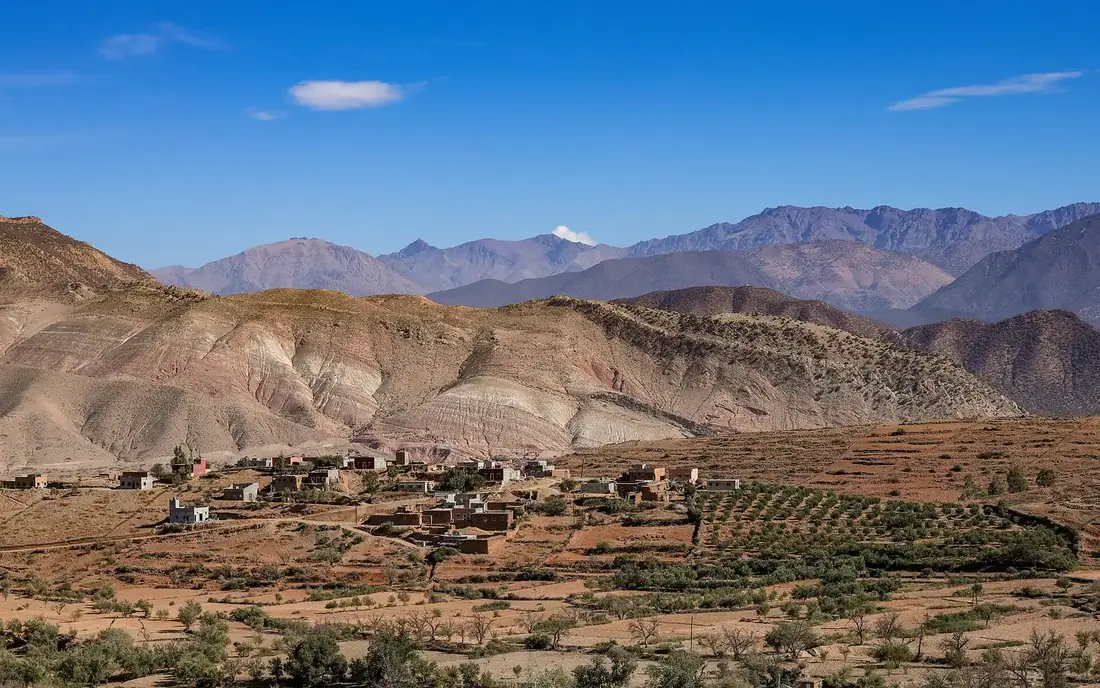
The best time to visit Morocco is spring (March to May) or autumn (September to October): warm days, cool nights, green countryside and a desert that is comfortable rather than punishing. July and August are fine for the Atlantic coast but brutal in the medinas and the Sahara. Winter is cheap, quiet and lovely in the cities, but cold in the mountains and the desert at night.
There is no single best time to visit Morocco — there is a best time for the thing you came to do. The country runs from Atlantic surf towns to 4,000-metre peaks to the edge of the Sahara, and those three places are never comfortable in the same week.
So instead of one answer, here is the honest version: the two seasons that work almost everywhere, the months to avoid for each region, and what you actually trade for cheaper, quieter travel in winter.
The short version: spring and autumn
If you only remember one thing: aim for March to May or September to October. Daytime temperatures sit in the low-to-mid 20s°C (high 60s to high 70s°F), the desert is warm by day and cool at night rather than dangerous, and the Atlas valleys are green in spring and golden in autumn.
These are also the busy, slightly pricier months — for good reason. If your dates are fixed and they land in summer or winter, that is fine; you just plan around the region that suits the season instead of fighting it.
Spring (March–May): the all-rounder
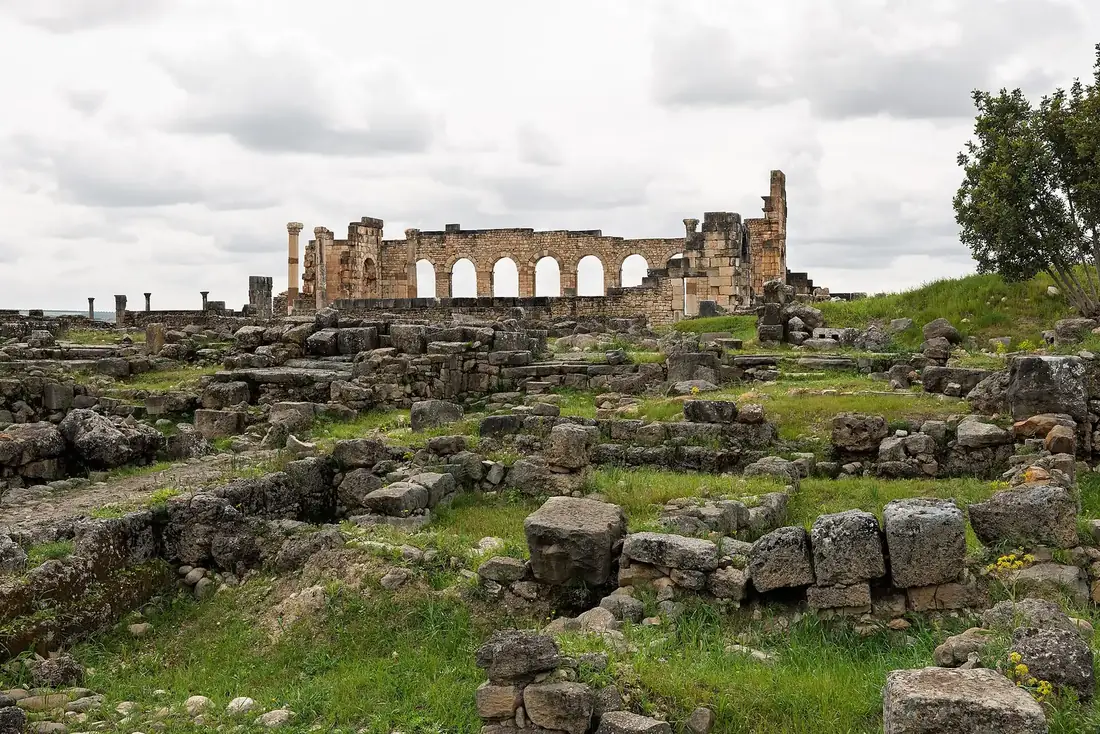
Spring is the best all-round window. The winter rains have passed, the countryside around Fez, Meknes and the Middle Atlas is genuinely green, and the desert is warm without the summer hammer. April is the sweet spot — wildflowers in the valleys, comfortable medinas, and the dunes pleasant enough to sleep out under the stars.
The one catch is that everyone else knows this too. Book riads and desert camps a few weeks ahead, especially around Easter. If you want one trip that covers a 3-day Sahara loop from Marrakech plus a city or two, spring is when it all lines up.
Summer (June–August): coast yes, desert no
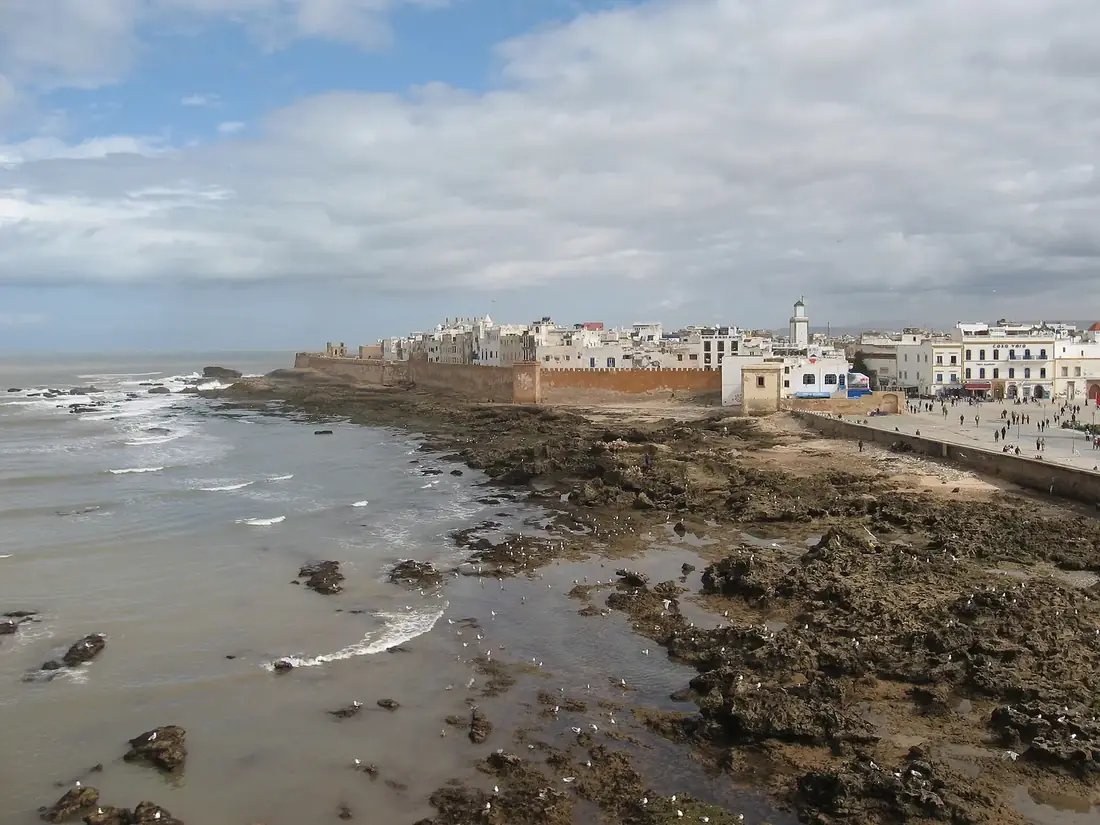
Summer splits the country in two. Inland — Marrakech, Fez, the Sahara — regularly tops 38°C (100°F) and the desert can be genuinely unsafe to walk in at midday. The Atlantic coast, though, is the opposite: Essaouira, Agadir and the Casablanca shoreline stay around 25–27°C (high 70s°F) with a steady sea breeze.
If your only possible dates are July or August, do not build the trip around the Sahara. Swap it for the coast and the High Atlas, where altitude keeps the mountains pleasant while Marrakech bakes. A camel trek in 45°C heat is a story you tell once and never repeat.
Summer is also high season for European families, so the coast books out. The upside: long evenings, festivals, and the medinas come alive after dark once the heat drops.
Autumn (September–October): the quiet winner
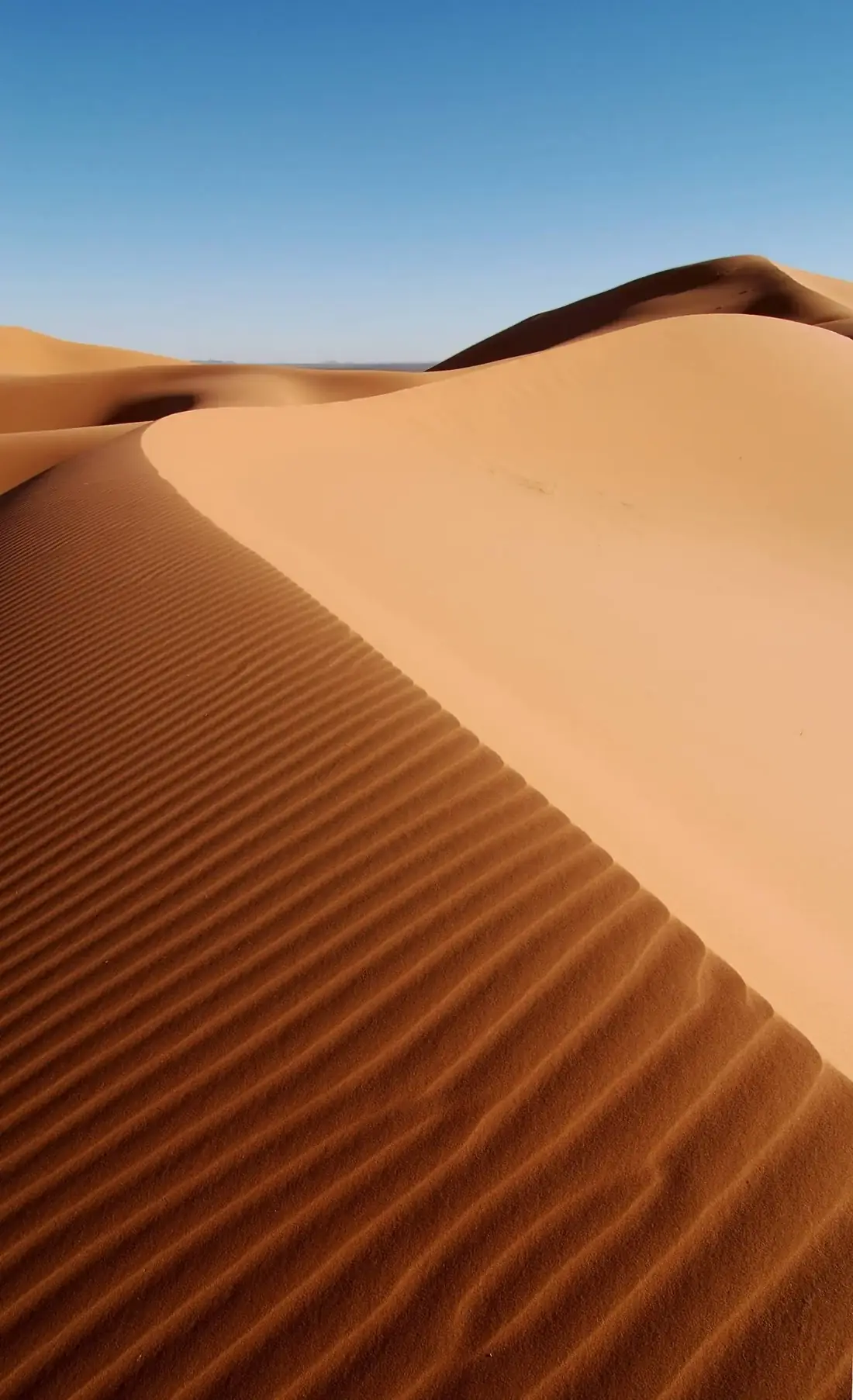
Ask a guide for their own favourite month and a lot of us say October. The summer crowds have gone, the heat has broken, the desert is back to its warm-day, cool-night best, and the light on the dunes is at its softest. September still carries some inland heat early on but settles fast.
This is the best stretch for a desert-focused trip like the 7-day Sahara tour from Marrakech — comfortable driving days, star-filled nights, and camps that are full but not heaving.
Winter (November–February): cheap, quiet, cold at night
Winter is the value season and the most underrated. The imperial cities — Marrakech, Fez, Rabat — are crisp and clear by day (12–18°C / 54–64°F), prices drop, and the souks are workable instead of sweltering. It is the best time to actually see the cities rather than survive them.
- Cities: ideal. Cool, sunny, cheap, uncrowded. Pack a jacket for the evenings.
- Desert: doable by day but genuinely cold at night — camps can drop near freezing. Bring layers; the camps bring extra blankets.
- Mountains: the High Atlas gets real snow. Toubkal needs winter kit and a guide; lower valley walks are still fine.
January and February are the cheapest months of the year, with the best riad availability. If you care more about the medinas and your budget than about the dunes, winter is a smart, contrarian choice.
Ramadan and festivals: worth checking your dates
Ramadan shifts roughly 11 days earlier each year, so check where it falls for your trip. Travel still works completely — sights and tours run normally — but daytime cafés in smaller towns may be quiet and the rhythm of the day changes, with everything coming alive after sunset. Many travellers love the atmosphere; just go in knowing.
For festivals, the Fez Festival of World Sacred Music (early summer) and the rose festival in the Dades Valley (May) are worth planning around. New to the country? Pair this with what to do in Morocco and how to choose a tour before you lock dates.
Frequently asked questions
What is the best month to visit Morocco?
April and October are the two strongest months — warm days, cool nights, green or golden countryside, and a comfortable desert. Both sit in the spring and autumn shoulder seasons that suit almost every region.
What is the worst time to visit Morocco?
There is no truly bad time, but July and August are the hardest if you want the desert or the inland medinas, where temperatures regularly pass 38°C (100°F). In those months, focus on the Atlantic coast and the High Atlas instead.
When is it cheapest to visit Morocco?
January and February are the cheapest months, with the lowest accommodation prices and the fewest crowds. The cities are lovely and crisp; just expect cold desert nights and possible snow in the mountains.
Is Morocco too hot in summer?
Inland, yes — Marrakech, Fez and the Sahara are very hot in July and August. The Atlantic coast (Essaouira, Agadir) stays around 25–27°C thanks to the sea breeze, so a summer trip is best spent there and in the cooler High Atlas.
What is the best time to visit the Sahara desert in Morocco?
October, then March to April. Days are warm rather than dangerous and nights are cool but not freezing. Avoid midsummer for the heat and deep winter for the cold nights.
Does it snow in Morocco?
Yes. The High Atlas, including Mount Toubkal, gets reliable winter snow from roughly December to March, and there is a small ski resort at Oukaïmeden. The cities and the desert do not get snow.
Want us to handle the logistics?
We run these routes for a living. Tell us your dates and we’ll build the trip around you.
Youssef was born and raised in Fez and has guided travelers across Morocco for more than 12 years — from the Erg Chebbi dunes to the High Atlas passes. He co-founded Beyond the Riad to run honest, well-paced private trips with local drivers and guides.
More about usSection photos are from Wikimedia Commons under their respective Creative Commons licenses; credits appear beneath each image.