Inspiration
What to Do in Morocco: 12 Things Worth the Jet Lag
Co-founder & lead guide, Beyond the Riad
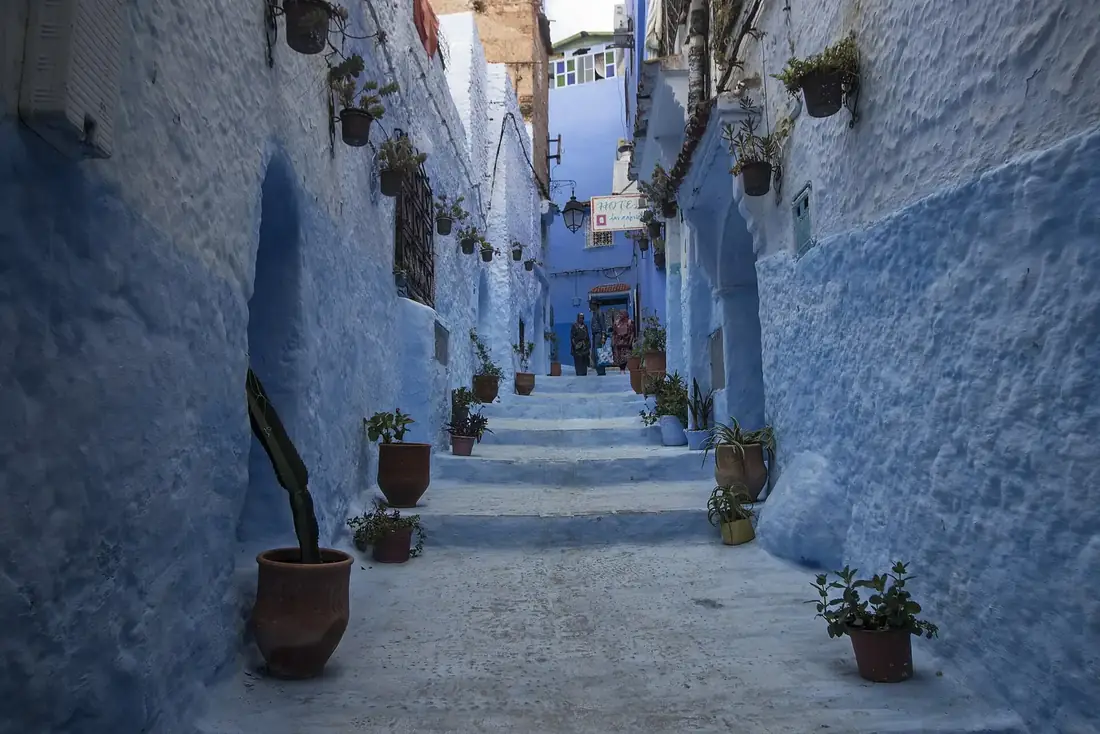
The essentials: get lost in the Fez medina, ride a camel into the Erg Chebbi dunes at Merzouga, wander the blue lanes of Chefchaouen, haggle in Marrakech’s souks, hike a valley in the High Atlas, and eat your weight in tagine. Most first-timers fit the highlights into 7–10 days.
Morocco does not have a "thing." It has about forty things, and they are all wildly different from each other — which is exactly why people fall for it and also why they overpack their itinerary.
This is the honest shortlist: the experiences that are worth the jet lag, roughly north to south, plus a couple everyone forgets and one or two that are quietly overrated.
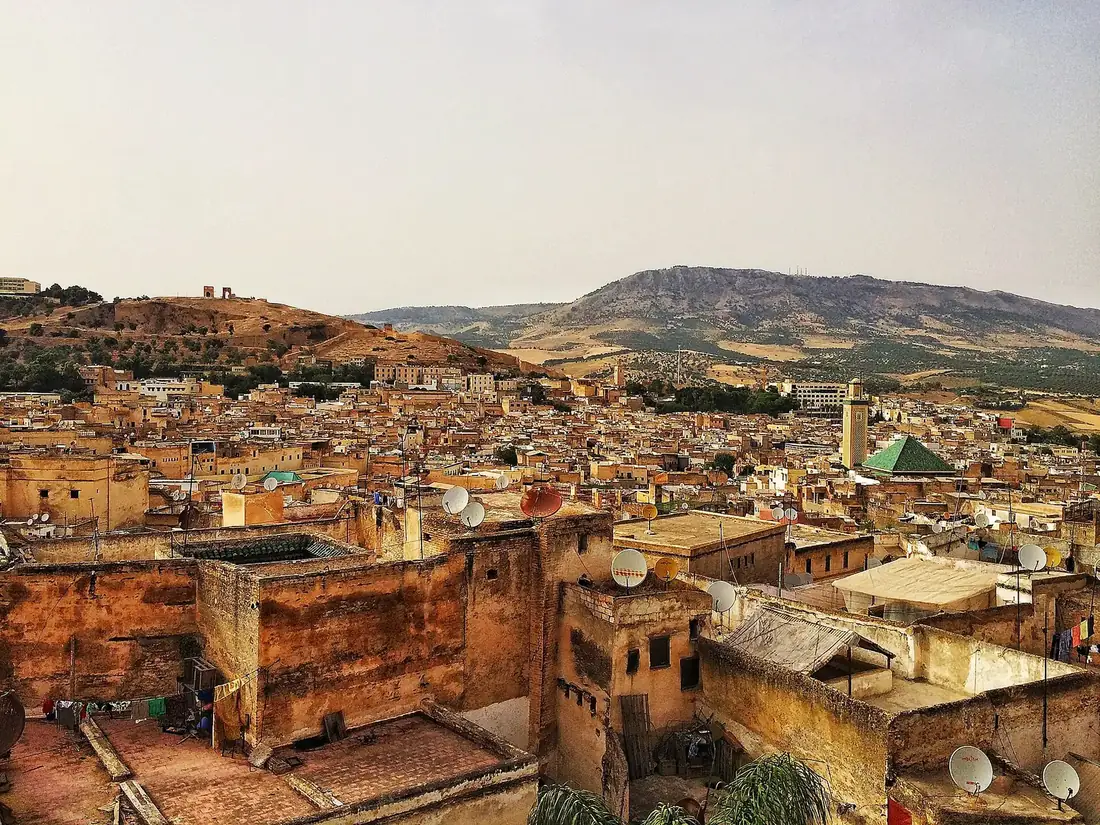
1. Get cheerfully lost in the Fez medina
Fez el-Bali is one of the largest car-free urban areas on earth — roughly 9,000 lanes, give or take your sanity. You will get lost. Stop fighting it. The medina is the single best "what year is it" experience in Morocco, from the Chouara tanneries (smell first, view second) to the Al-Qarawiyyin, founded in 859 and arguably the oldest university in the world.
A kid will offer to "guide" you back to a landmark for a few dirhams. Sometimes it’s a scam, sometimes it’s the best money you’ll spend all day. Read the kid.
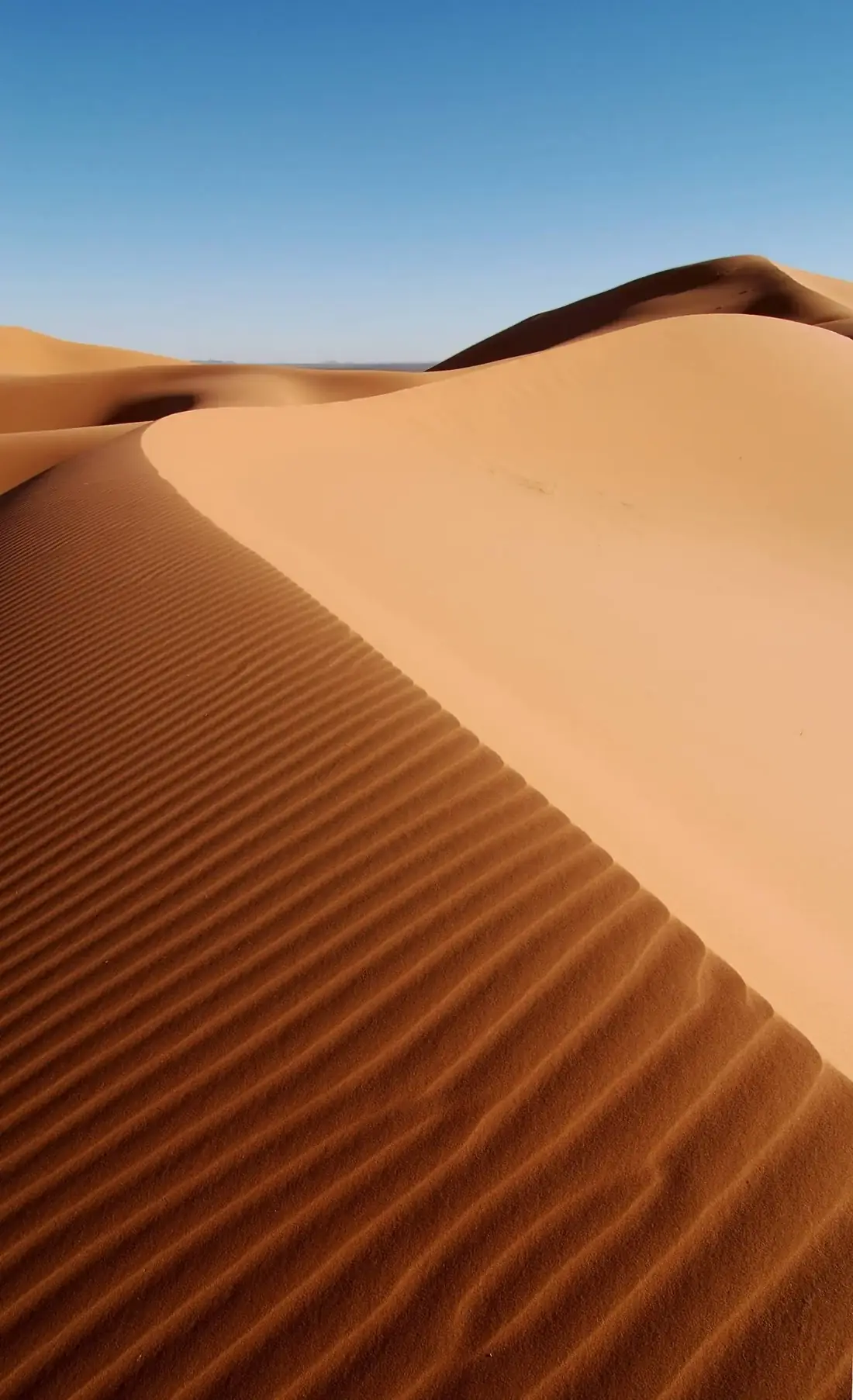
2. Sleep in the Sahara at Merzouga
The non-negotiable. You ride a camel (or a 4x4, no judgment) into the Erg Chebbi dunes, watch the sun drop, eat tagine by a fire, and discover the Sahara has more stars than you knew were on offer. Then it gets cold, because deserts do that. It is the highlight of most trips for a reason. We go deep on how to do it in our Morocco desert tours guide.
3. Photograph (and actually enjoy) Chefchaouen
Yes, the blue city is as blue as the photos, and yes, half of Instagram is there. Go anyway — just go early. By 11am the famous staircase has a queue of people in flowing dresses waiting for their turn. By 8am it is just you, the cats, and a man painting a wall the exact shade of blue his grandfather did.
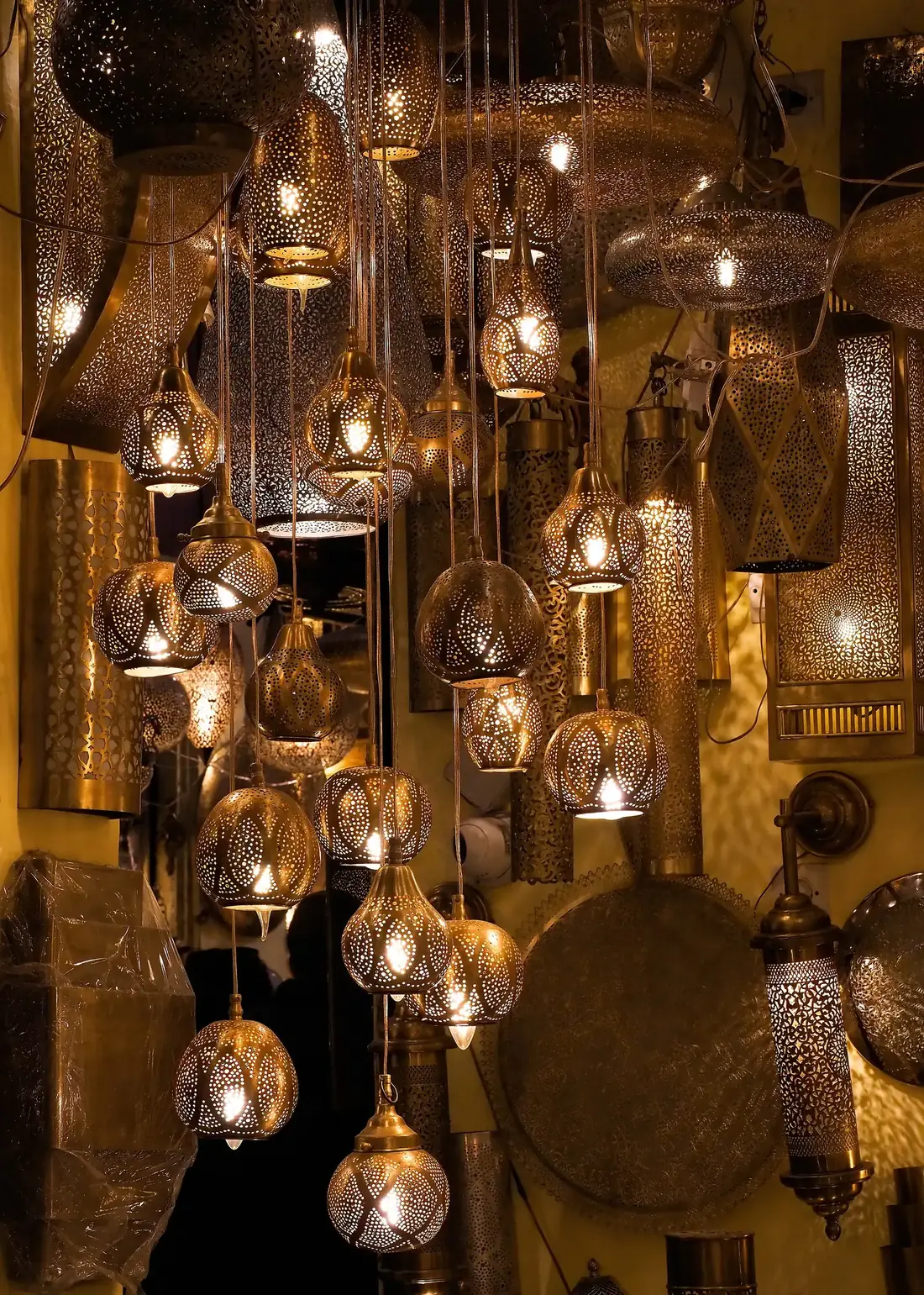
4. Haggle (badly) in the Marrakech souks
Marrakech is the country’s loud, glittering front door: the Jemaa el-Fnaa at dusk (snake charmers, orange-juice carts, a man with a typewriter), the souks behind it, the Bahia Palace, the Majorelle gardens. Haggling is expected and good-natured — start around a third of the asking price and enjoy losing slowly. You can do the headline sights in a half day with a guide.
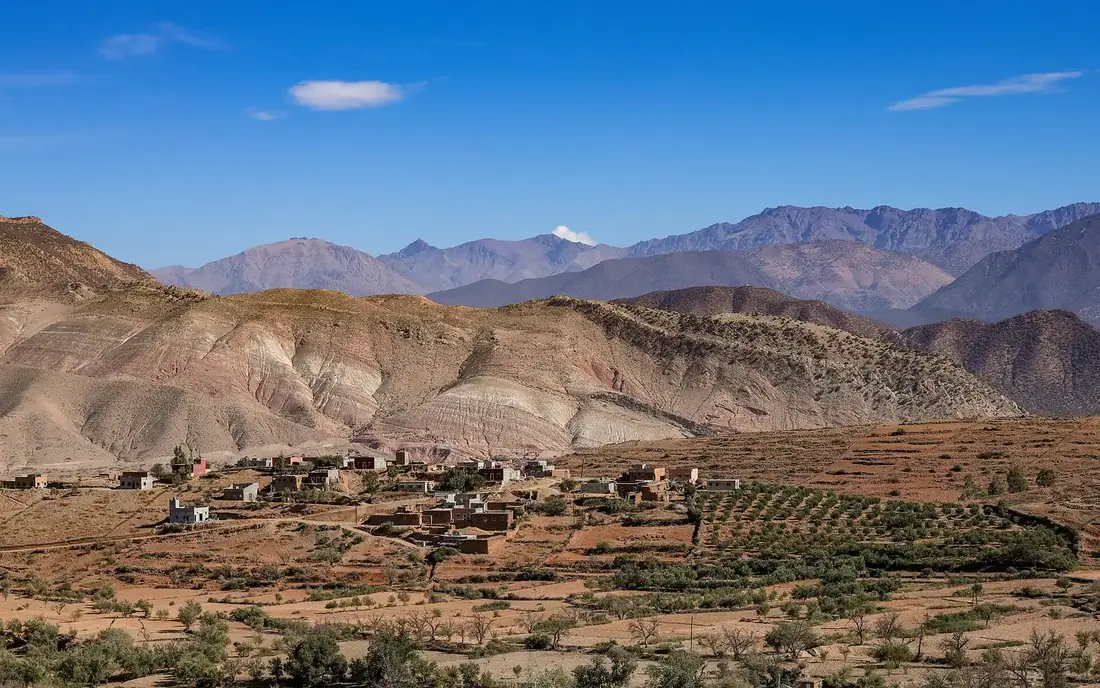
5. Hike a valley in the High Atlas
An hour from Marrakech, the temperature drops, the air clears, and you are walking past Berber villages and walnut groves with Mount Toubkal (4,167m, North Africa’s highest) on the horizon. You don’t need to be a hiker — a half-day valley walk from Imlil is enough to remember that Morocco is a mountain country that happens to have a desert.
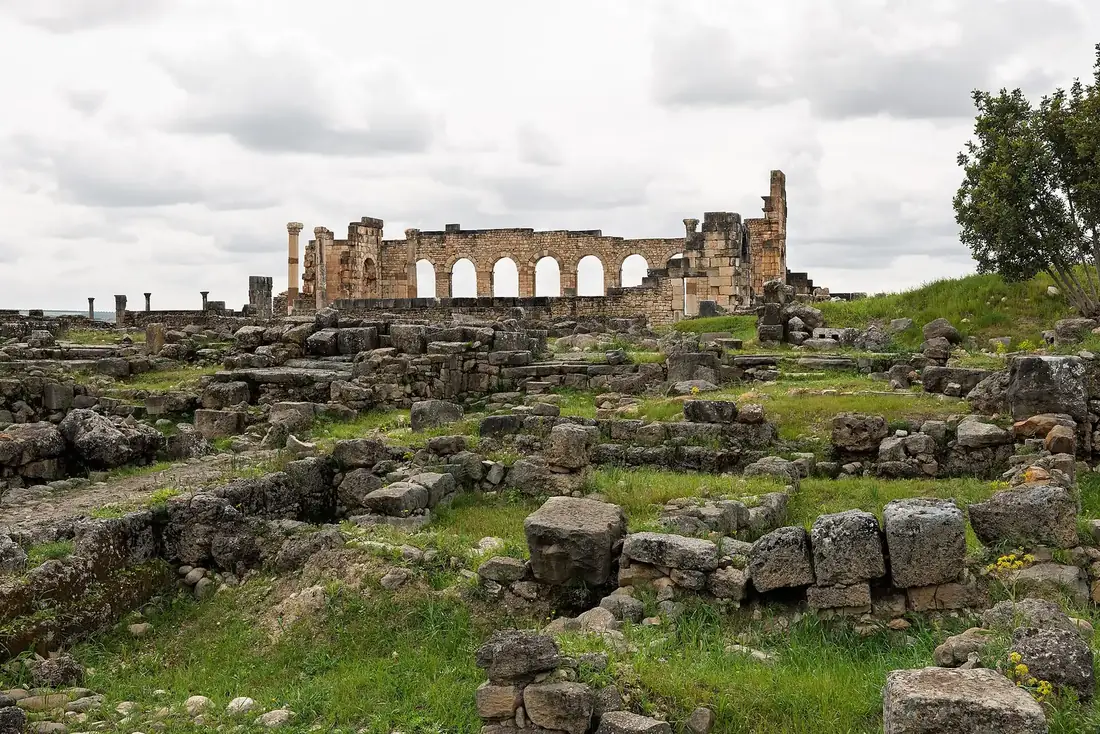
6. Stand inside a film set at Aït Benhaddou
The mud-brick ksar of Aït Benhaddou has played ancient Rome, Egypt and several fictional kingdoms on screen. In person it is even better, especially at sunset when the earth walls go gold. While you’re in history mode, the Roman ruins of Volubilis (pictured) near Meknes are the best-preserved in Morocco and far emptier than they deserve to be.
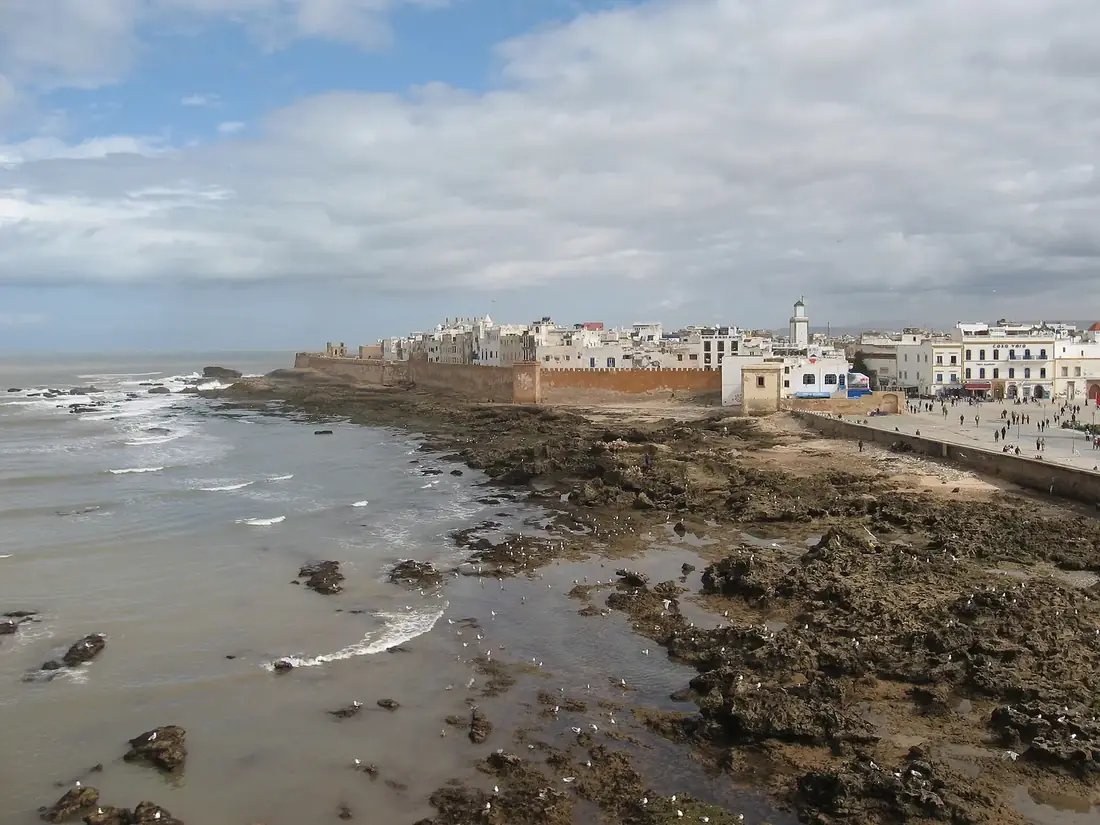
7. Catch your breath on the coast at Essaouira
After the sensory assault of the medinas, breezy Essaouira is the exhale. Atlantic ramparts, a working fishing harbour, grilled-that-morning seafood, and a whitewashed old town that asks nothing of you. It is also a kitesurf hub if "doing nothing" gives you a rash.
8. Eat everything (especially the unglamorous stuff)
Tagine and couscous get the headlines, but the quiet legends are the cheap ones: a bowl of harira soup at dusk, a fresh msemen pancake folded with honey, a sandwich from a grill stall that has done one thing perfectly for thirty years. Eat where the taxi drivers eat. They are never wrong about lunch.
9. Sleep in a riad at least once
A riad is a traditional house built inward around a courtyard, so the chaos of the medina vanishes the moment the door shuts behind you. Even one night in a good one reframes the whole trip. It’s the difference between visiting Morocco and briefly living in it.
10. What to skip (we said it, not you)
Two honest demotions. The one-night Zagora desert dash from Marrakech is mostly driving for thin dunes — if you can spare the days, go to Erg Chebbi instead. And the "tie a turban and pose on a camel for 20 minutes" packages are fine, but they are a photo op, not the desert. Give the Sahara a night or don’t bother.
Frequently asked questions
What is Morocco best known for?
The Sahara desert, the medieval medinas of Fez and Marrakech, the blue town of Chefchaouen, mint tea and tagine, and the Atlas mountains — a lot of very different countries packed into one.
How many days do you need in Morocco?
Seven to ten days covers the classic highlights (two imperial cities, the desert, the Atlas) at a humane pace. With four or five, pick one region.
Which is the best city to visit in Morocco?
Marrakech for energy and sights, Fez for the deepest old-world medina, Chefchaouen for looks, Essaouira for calm. Most first-timers do Marrakech plus Fez.
Is Morocco safe for solo and women travelers?
Broadly yes, and plenty travel solo. Expect persistent attention from touts rather than danger; dressing modestly and being firmly polite goes a long way.
What should I wear in Morocco?
Comfortable, modest clothing that covers shoulders and knees, especially in medinas and rural areas. Layers for cold desert and mountain nights.
Can non-Muslims enter mosques in Morocco?
Generally no — most active mosques are closed to non-Muslims. The major exception is the Hassan II Mosque in Casablanca, which offers guided tours.
Want us to handle the logistics?
We run these routes for a living. Tell us your dates and we’ll build the trip around you.
Youssef was born and raised in Fez and has guided travelers across Morocco for more than 12 years — from the Erg Chebbi dunes to the High Atlas passes. He co-founded Beyond the Riad to run honest, well-paced private trips with local drivers and guides.
More about usSection photos are from Wikimedia Commons under their respective Creative Commons licenses; credits appear beneath each image.